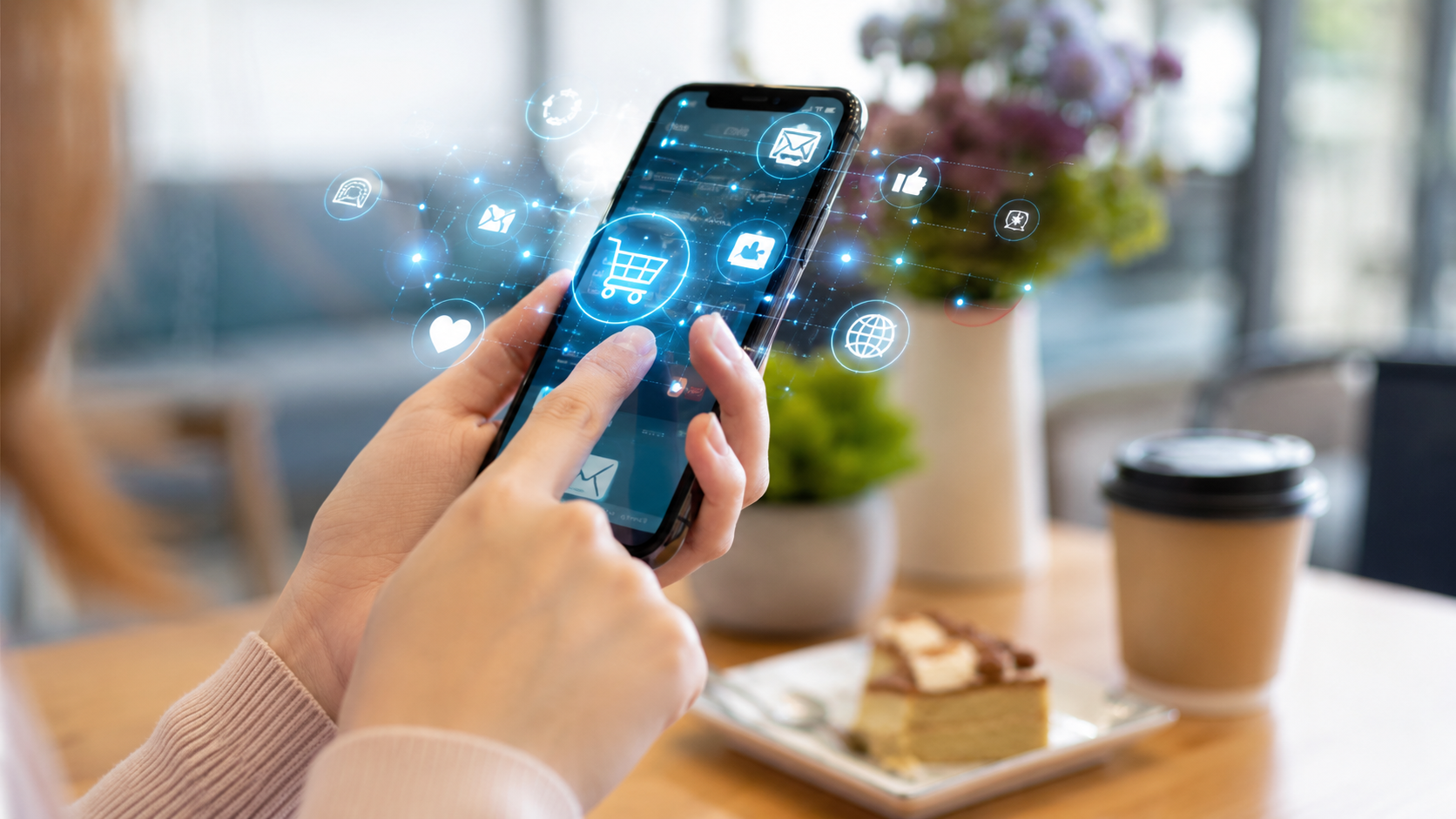
Smartphones have quietly become the most influential marketing channel in history. Not because they are the flashiest or the most expensive, but because they are the one device people carry everywhere, check constantly, and rely on for decisions large and small. The average consumer picks up their phone over 150 times a day. That level of access changes everything about how brands communicate, advertise, and sell.
Understanding how mobile marketing shapes consumer behavior is no longer optional for businesses that want to stay competitive. It is the foundation of any modern marketing strategy.
The Shift to Mobile-First Consumer Behavior
A few years ago, mobile was considered a secondary channel, something to optimize for after the desktop experience was sorted. That thinking is now completely outdated. Mobile is where the majority of web traffic, social media consumption, video viewing, and online shopping happens.
This shift has changed consumer expectations at a fundamental level. People expect information instantly, experiences to be frictionless, and brands to know what they want before they have to ask. Businesses that design their marketing around these expectations win. Those that don’t lose customers to competitors who do.
The mobile-first consumer moves faster, expects more, and has far less patience for slow or clunky experiences than the desktop user of a decade ago.
Instant Access Compresses the Purchase Journey
One of the most significant ways mobile has changed consumer behavior is by collapsing the time between awareness and purchase. What used to be a multi-day research process can now happen in minutes.
A consumer sees a product mentioned in a video, searches for reviews on their phone, checks two or three competitor options, and completes a purchase through a mobile checkout, all within a single session. Mobile has made this kind of rapid decision-making not just possible but routine.
Faster Research Changes How Consumers Evaluate Brands
With product information, reviews, and competitor pricing available within seconds, consumers arrive at purchase decisions better informed and faster than ever before. This puts pressure on businesses to have accurate, accessible, and compelling information readily available on mobile. A slow website or a poorly structured product page is enough to send a potential customer elsewhere.
Impulse Buying Has Increased Significantly
Mobile commerce has made impulse purchasing significantly easier. One-tap checkout options, saved payment details, and frictionless app experiences have removed the friction that once slowed buying decisions. Consumers can act on a purchase impulse in the moment rather than waiting until they get to a desktop, which means the moment of inspiration and the moment of purchase are often the same.
Personalization Is Now an Expectation, Not a Bonus
Early mobile marketing was largely a broadcast medium, push a message to as many people as possible and hope it lands. Consumer behavior has moved well beyond tolerating that approach. Today’s mobile users expect brands to know who they are, what they have bought before, and what they are likely to want next. Our guide on how to engage customers using mobile marketing covers how to put this into practice across different channels.
Relevant Messaging Drives Engagement
Mobile devices generate a rich stream of behavioral data, browsing habits, location history, app usage, purchase patterns, and more. Brands that use this data thoughtfully can deliver messages that feel timely and relevant rather than intrusive. A notification about a sale on a product category someone browsed last week is useful. A generic promotional blast at 7am is not.
The difference in engagement rates between personalized and non-personalized mobile communication is substantial and continues to grow as consumers become more selective about which brands earn their attention.
Location-Based Marketing Connects Digital and Physical
One capability that makes mobile uniquely powerful is location awareness. Businesses can reach consumers when they are physically near a store, attending an event, or in a competitor’s location. This kind of contextual relevance is impossible to replicate with any other channel and directly influences in-store traffic and real-world purchasing behavior.
Social Media and Mobile Are Inseparable
Social platforms were built for mobile and most users never access them any other way. Instagram, TikTok, YouTube, and Facebook are not just entertainment platforms. They are product discovery engines that directly influence purchasing decisions. For a closer look at how to build effective campaigns on these platforms, see our breakdown of mobile advertising strategies that actually work.
Short-Form Video Has Changed How Products Are Discovered
The rise of short-form video has created a new kind of purchase journey. Consumers discover products through creator content, user reviews, and brand videos while scrolling, often without any search intent at all. A well-placed TikTok or Instagram Reel can introduce a product to millions of people who were not actively looking for it, driving search volume and conversions in ways traditional advertising cannot.
Influencer Recommendations Carry Real Purchase Weight
Consumers trust recommendations from creators and online communities significantly more than they trust traditional advertising. Influencer partnerships that feel authentic and match the platform’s native content style consistently outperform polished brand advertisements in mobile environments. The key word is authentic. Audiences are quick to identify and discount content that feels forced or transactional.
Speed and Simplicity Determine Whether Customers Stay or Leave
Mobile has raised the bar for what consumers consider an acceptable digital experience. Research consistently shows that a significant percentage of users will abandon a website that takes more than three seconds to load on mobile. That number only increases when the checkout process is complicated or the navigation is difficult on a small screen.
Businesses that invest in fast, clean, mobile-optimized experiences see measurable improvements in engagement and conversion rates. Those that treat mobile as an afterthought see higher bounce rates and lost revenue.
Seamless experiences across channels matter too. A consumer who researches on a mobile browser, adds something to a cart in an app, and then wants to complete the purchase on a desktop expects that journey to be continuous. Broken handoffs between platforms create friction that costs sales. Our article on mobile marketing tips and strategies goes deeper on how to build these connected experiences.
Push Notifications and SMS Influence Behavior When Used Well
Push notifications are one of the most direct lines of communication a brand has with a consumer. When used strategically, they drive real-time action, flash sale alerts, cart abandonment reminders, appointment confirmations, and personalized offers that feel timely rather than disruptive. The same principle applies to SMS, which remains one of the highest-engagement channels available to marketers. For a practical look at how to use it effectively, see our guide on SMS marketing strategies that drive sales.
The risk is overuse. Consumers who feel bombarded by notifications from a brand will turn them off entirely or uninstall the app. The businesses that get the most value from these channels are those that treat them as high-value communication tools rather than broadcast mechanisms, sending fewer messages with higher relevance rather than maximizing volume.
Mobile Payments Have Removed the Last Barrier to Purchase
Digital wallets and one-tap payment options have eliminated what was historically one of the biggest drop-off points in mobile commerce: the checkout process. Apple Pay, Google Pay, and saved card details in apps mean that completing a purchase on a phone can now be faster than doing it on a desktop.
As consumer confidence in mobile payment security has grown, mobile commerce has expanded well beyond retail into travel, food delivery, services, and subscriptions. The mobile phone has become a digital wallet in the fullest sense, and businesses that make payment as frictionless as possible have a clear advantage.
What This Means for Your Mobile Marketing Strategy
Mobile has not just added a new channel to the marketing mix. It has changed the rules of how consumers discover, evaluate, and buy. The businesses winning in this environment share a few things in common: they prioritize speed and simplicity, they use data to communicate relevantly rather than broadly, and they design every customer touchpoint with mobile behavior in mind.
These are not new ideas. They are well-documented principles that the most effective mobile marketers have been applying for years. The gap between businesses that understand mobile consumer behavior and those that are still catching up continues to widen. For a broader look at how relevance drives results across every mobile channel, see our post on lessons for modern marketers.
Go Deeper on Mobile Marketing
If you want a thorough grounding in how mobile marketing works and how to apply it practically across every major channel, Bob Bentz’s book Relevance Raises Response covers everything from SMS and mobile-optimized websites to social media, mobile advertising, and the future of mobile commerce. It is used as a graduate-level textbook at several major universities and draws on decades of real-world experience in the mobile industry.
You can order it on Amazon today. For keynote speaking inquiries or consulting availability, visit bobbentz.com.